
As loving dog owners, we all want the best for our furry companions. We feed them, walk them, play with them, and worry about them like family. But here’s a surprising truth: some of the most common dog-care advice passed down through generations is outdated—or flat-out wrong.
These well-meaning myths can quietly damage your dog’s health, shorten their lifespan, or reduce their quality of life. The scary part? Many owners don’t realize they’re doing anything wrong.
In this in-depth guide, we’ll debunk 10 widespread dog health myths that could be harming your pet, explain why they’re dangerous, and show you what science-backed care really looks like. If you truly love your dog, this is essential reading.
Myth #1: “A Warm, Dry Nose Means My Dog Is Healthy”

This is one of the oldest dog health myths around—and one of the most misleading.
❌ The Myth
Many people believe that a healthy dog must have a cold, wet nose, and that a dry or warm nose means illness.
✅ The Truth
A dog’s nose changes temperature and moisture throughout the day. It can be dry after:
- Sleeping
- Sun exposure
- Dehydration
- Normal daily fluctuations
A dry nose alone does not indicate illness.
What Actually Matters
Instead of obsessing over your dog’s nose, watch for real warning signs:
- Lethargy
- Loss of appetite
- Vomiting or diarrhea
- Persistent coughing or sneezing
- Sudden behavior changes
Bottom line: A dog can be perfectly healthy with a dry nose—and seriously ill with a wet one.
Myth #2: “Dogs Only Need to See the Vet When They’re Sick”

Skipping regular vet visits is one of the most harmful mistakes dog owners make.
❌ The Myth
If your dog looks fine and acts normal, there’s no reason to see the vet.
✅ The Truth
Dogs instinctively hide pain and discomfort. By the time symptoms are obvious, disease is often advanced.
Regular wellness exams can detect:
- Heart disease
- Kidney issues
- Dental infections
- Arthritis
- Cancer (early stages)
How Often Should Dogs See the Vet?
- Adult dogs: At least once a year
- Senior dogs: Every 6 months
- Puppies: Multiple visits during their first year
Preventive care saves lives—and money.
Myth #3: “Human Food Is Safe as Long as It’s Natural”

Just because food is healthy for you doesn’t mean it’s safe for your dog.
❌ The Myth
If it’s natural, organic, or home-cooked, it must be fine for dogs.
✅ The Truth
Many common human foods are toxic or dangerous to dogs, including:
- Chocolate
- Grapes and raisins
- Onions and garlic
- Avocados
- Xylitol (found in sugar-free products)
- Alcohol
- Cooked bones
Even foods that aren’t toxic can cause:
- Pancreatitis
- Obesity
- Digestive upset
Safer Alternative
If you want to share food:
- Use vet-approved dog treats
- Offer dog-safe fruits like blueberries or apples (no seeds)
- Stick to a balanced dog diet
Your dog doesn’t need table scraps—they need nutrition designed for them.
Myth #4: “Grain-Free Diets Are Always Healthier”

Grain-free diets became popular fast—but popularity doesn’t equal safety.
❌ The Myth
Grains are fillers and bad for all dogs.
✅ The Truth
Most dogs digest grains perfectly well. In fact, grain-free diets have been linked to heart disease in some dogs when not properly formulated.
True grain allergies are rare. More often, dogs react to:
- Certain proteins
- Artificial additives
- Poor-quality ingredients
What to Do Instead
- Choose high-quality, complete dog food
- Avoid trendy diets without veterinary guidance
- Focus on nutritional balance, not buzzwords
Grain-free is a medical decision—not a lifestyle choice.
Myth #5: “Dogs Don’t Feel Pain the Same Way Humans Do”
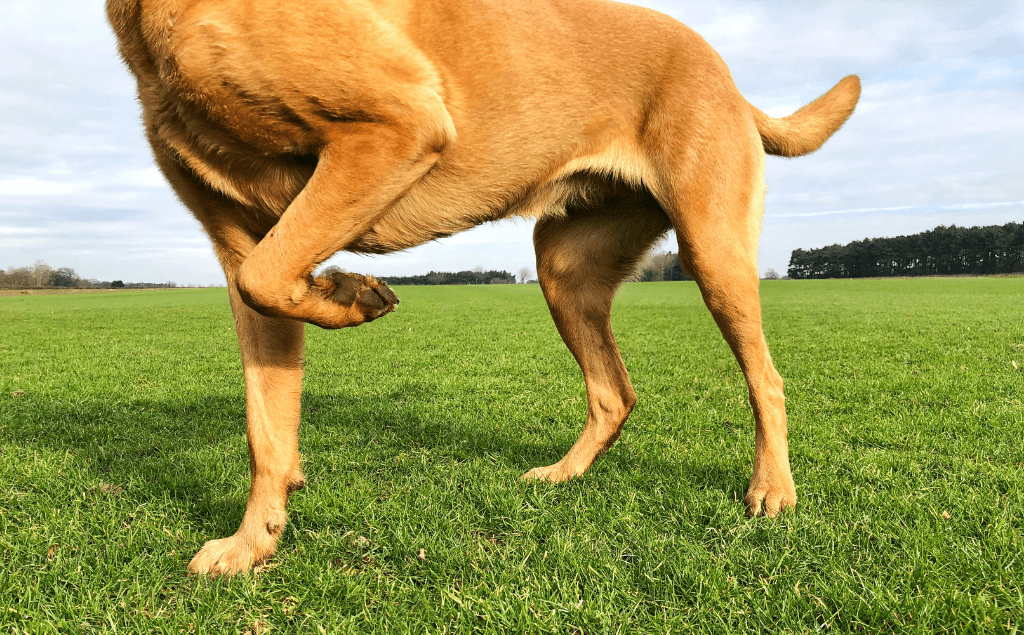
This myth leads to unnecessary suffering.
❌ The Myth
Dogs are tougher and don’t experience pain like people do.
✅ The Truth
Dogs feel pain just as intensely as humans—but they express it differently.
Signs of pain in dogs include:
- Limping or stiffness
- Whining or growling
- Reduced activity
- Changes in appetite
- Avoiding touch
- Aggression
Why This Is Dangerous
Assuming your dog “will be fine” can allow:
- Injuries to worsen
- Chronic pain to develop
- Quality of life to decline
If something seems off, trust your instincts and call the vet.
Myth #6: “Indoor Dogs Don’t Need Parasite Prevention”

Indoor dogs are not parasite-proof.
❌ The Myth
If my dog stays inside, parasites aren’t a concern.
✅ The Truth
Parasites can enter your home through:
- Shoes
- Other pets
- Open windows
- Mosquitoes
Indoor dogs can still get:
- Fleas
- Ticks
- Heartworms
- Intestinal worms
The Smart Approach
- Use year-round parasite prevention
- Follow your vet’s recommendations
- Don’t skip protection based on lifestyle alone
Parasites don’t care if your dog sleeps on a couch or in the yard.
Myth #7: “A Fat Dog Is a Happy Dog”
Extra weight isn’t cute—it’s dangerous.
❌ The Myth
Chubby dogs are happier, better-fed dogs.
✅ The Truth
Obesity dramatically increases the risk of:
- Diabetes
- Joint disease
- Heart problems
- Breathing difficulties
- Shortened lifespan
Even a few extra pounds can significantly impact a dog’s health.
How to Tell If Your Dog Is Overweight
- You can’t feel their ribs easily
- No visible waist
- Low energy levels
Healthy weight = longer, happier life.
Myth #8: “Dental Care Isn’t Important for Dogs”
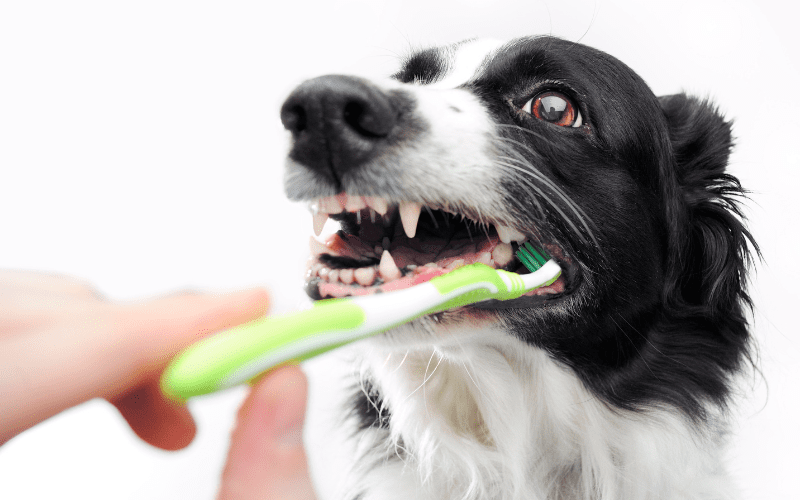
Neglecting dental health is a silent killer.
❌ The Myth
Bad breath is normal, and dogs don’t need dental care.
✅ The Truth
Dental disease can lead to:
- Painful infections
- Tooth loss
- Heart, liver, and kidney damage
By age three, most dogs show signs of dental disease.
Best Dental Practices
- Brush your dog’s teeth regularly
- Use dental chews approved by vets
- Schedule professional cleanings when needed
Healthy teeth protect far more than just your dog’s smile.
Myth #9: “Old Dogs Can’t Learn New Things”
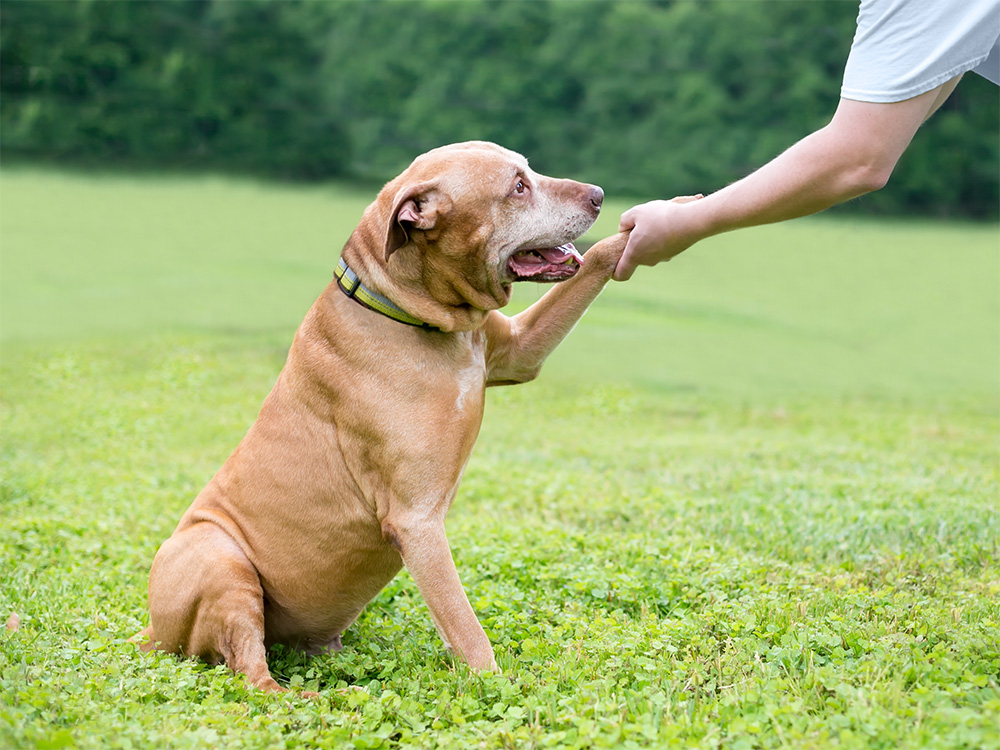
Age is not a learning barrier.
❌ The Myth
Training is only for puppies.
✅ The Truth
Senior dogs can learn new commands, routines, and behaviors. Training:
- Keeps their mind sharp
- Reduces anxiety
- Strengthens your bond
- Improves overall happiness
Tips for Training Older Dogs
- Use positive reinforcement
- Keep sessions short
- Be patient and consistent
Mental stimulation is just as important as physical exercise—at any age.
Myth #10: “If My Dog Isn’t Crying, They’re Not Sick”
This myth is especially dangerous.
❌ The Myth
Dogs will let you know when something is wrong.
✅ The Truth
Dogs often hide illness and pain as a survival instinct.
Subtle signs include:
- Sleeping more
- Eating less
- Avoiding interaction
- Small changes in posture or movement
What Responsible Owners Do
- Notice small behavior changes
- Schedule vet visits early
- Don’t wait for obvious symptoms
Silence does not mean health.
Final Thoughts: Knowledge Is the Best Medicine
Loving your dog isn’t just about affection—it’s about making informed decisions. These dog health myths persist because they sound logical or comforting, but they can quietly harm the pets we adore.
By replacing myths with facts, you give your dog:
- Better health
- Longer life
- Greater comfort
- Deeper trust in you
If this article changed even one habit, it was worth reading.
Your dog depends on you—choose knowledge over myth, and love them the right way. 🐾